A pad for a house, a shop, an RV or a slab is only as good as the dirt under it. Compaction is the part of excavation that makes fill hold its shape and keeps a slab from settling.
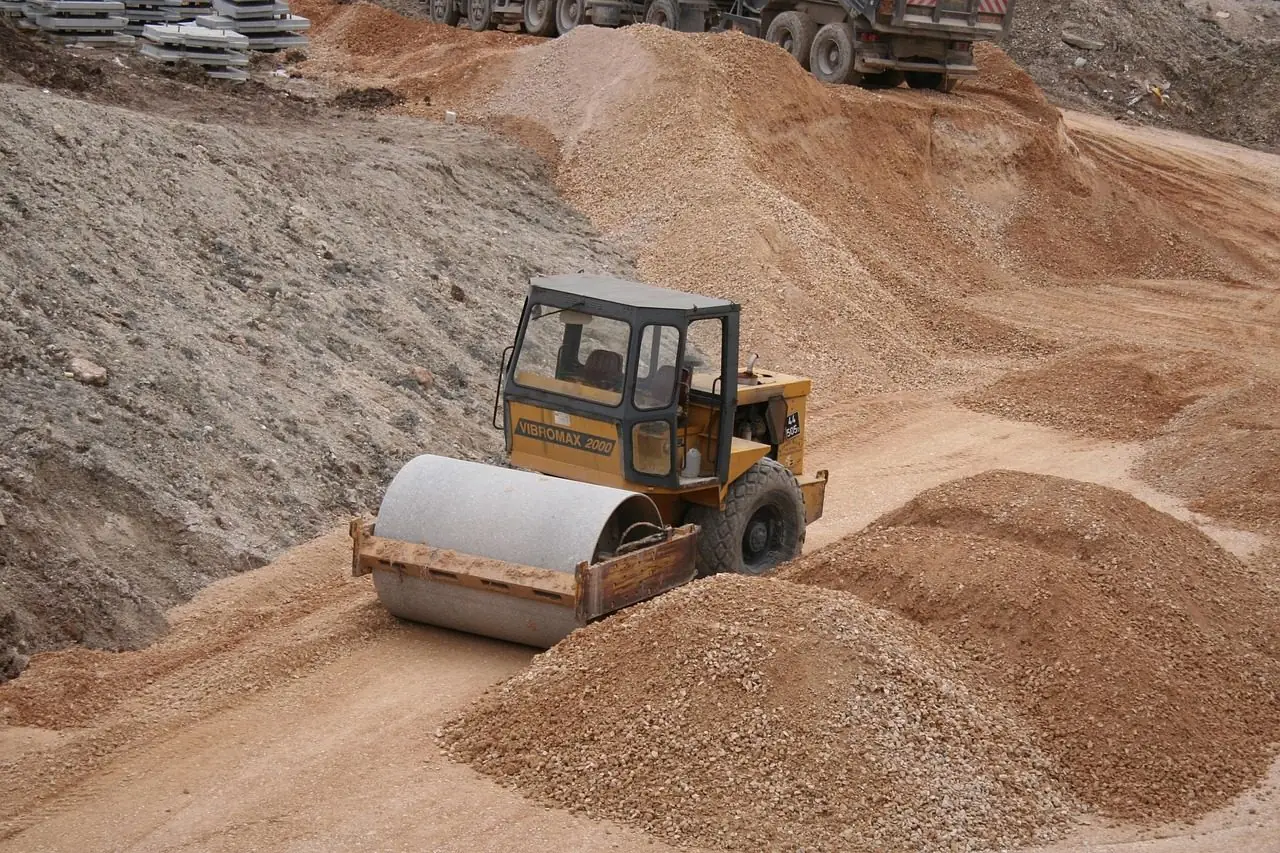
Steps on a typical pad
- Strip.Remove brush, roots and loose topsoil.
- Cut or fill to grade.Bring the pad to the height set by the drainage plan.
- Compact in layers.Place fill and compact it before adding the next layer.
- Check slopes.Goodyear lots drain to the street at a minimum 1% slope.
- Leave a clean finish.The pad is ready for forms, gravel or a slab.
Pad height in Goodyear
Goodyear's manual puts finished floors at least 18 inches above the low lot outfall and 12 inches above the high-water elevation. On a flat lot, that can mean importing fill.
Prices
Angi's Phoenix guide lists leveling at $5 to $15 per cubic yard and hauling at $10 to $30 per cubic yard. Angi's national guide adds soil testing at $700 to $2,200, which some pads need before a slab goes on.
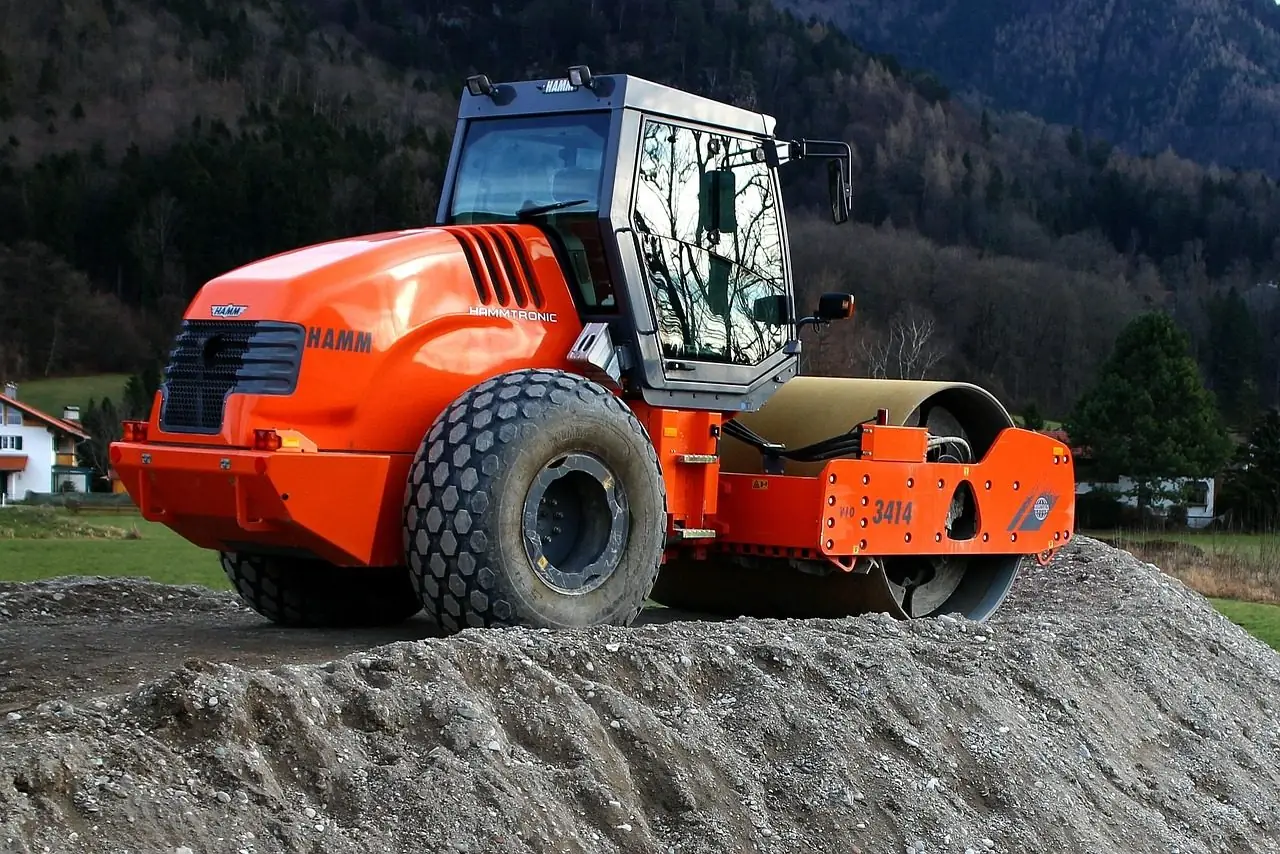
Sources
- City of Goodyear: Engineering Design Standards and Policies Manual, Chapter 3, Stormwater Management (2017)
- Angi: Excavation costs in Phoenix, AZ (updated June 16, 2026)
- Angi: How much does excavation cost? (Mariel Loveland, updated September 14, 2026)
Reviewed October 20, 2026. Rules, prices and contacts change, so check the source before relying on it.
Questions and answers
How high does a building pad need to be in Goodyear?
Goodyear's manual puts finished floors at least 18 inches above the low lot outfall and 12 inches above the high-water elevation.
Get your pad quoted
Send the details or call, and a local excavation contractor will follow up with you. Quote requests are free.
Voicemail? Leave your name, phone number, the site address and a short description of the work.